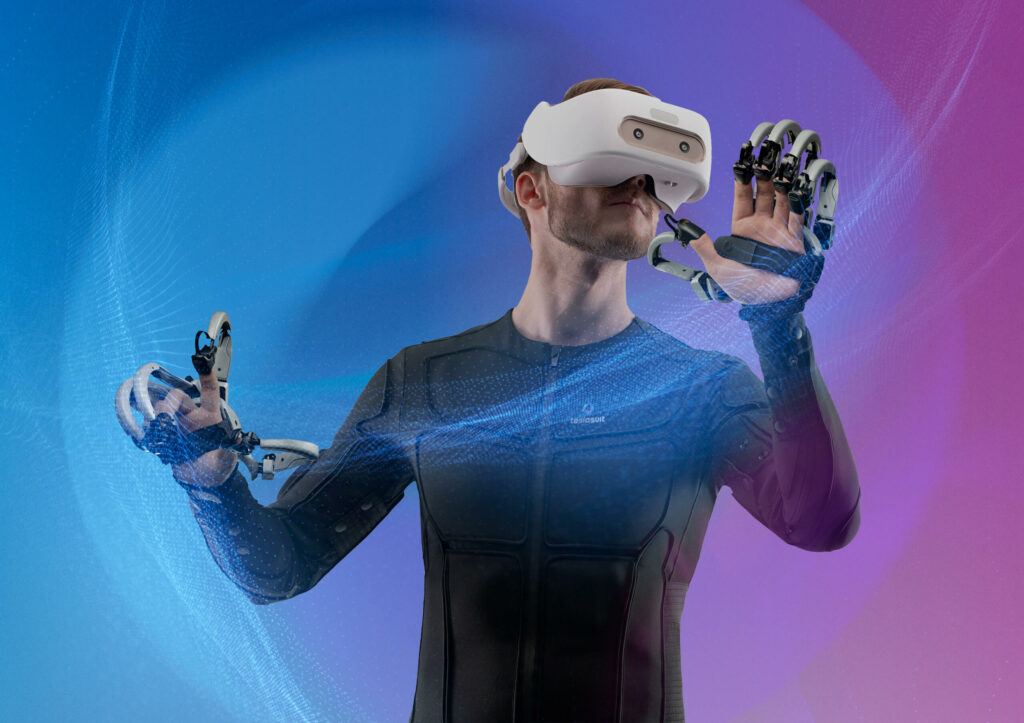
What is a Haptic VR Suit? Unveiling Full-Body Tactile Immersion
For years, virtual reality has captivated us with its stunning visuals and immersive audio. We’ve explored fantastical worlds, confronted digital foes, and witnessed breathtaking spectacles – all from the comfort of our homes. Yet, something has always been missing, a subtle but profound barrier preventing true immersion: the sense of touch. Imagine feeling the impact of a punch, the warmth of a virtual fire, or the gentle patter of rain in a digital forest. This is no longer a futuristic fantasy; it's the reality brought forth by the advent of the haptic feedback bodysuit.
A haptic VR suit, sometimes referred to as a tactile suit, gaming suit, or simply a VR suit, represents the next frontier in immersive technology. It's a wearable device designed to deliver tactile sensations directly to your body, bridging the gap between the virtual and physical realms. By stimulating your sense of touch, these suits transform passive observation into active, tangible interaction, making you truly feel present within the digital environment.
Understanding the Core: What Exactly is a Haptic VR Suit?
At its heart, a haptic VR suit is a sophisticated piece of wearable technology that translates digital information into physical sensations. While early iterations might have focused on simple vibrations, modern haptic suits, particularly the advanced haptic feedback bodysuit, employ cutting-edge technologies like Electro Muscle Stimulation (EMS) to create incredibly realistic and nuanced sensations. EMS technology works by sending targeted electrical impulses to specific muscle groups, mimicking a wide range of tactile experiences.
This means you can feel anything from a subtle breeze brushing against your skin to the force of an explosion, the texture of a virtual object, or even temperature changes. The goal is to provide a comprehensive sense of touch that goes beyond mere rumble, allowing users to experience genuine feedback from their virtual surroundings. Historically, the concept dates back to devices like the Aura Systems Interactor V in 1994, but today's suits are light years ahead in sophistication, precision, and integration.
The Three Pillars of Immersive Interaction: More Than Just Touch
True full-body tactile immersion goes beyond just feeling. The most advanced haptic VR suits integrate a triumvirate of high-level systems, working in concert to create a truly unparalleled interactive experience. These systems focus on understanding and responding to human behavior, making them invaluable tools not just for entertainment, but also for serious applications like training and research.
1. The Haptic Feedback System: Feeling the Digital World
This is the core component that gives the haptic feedback bodysuit its name. As mentioned, modern systems utilize technologies like Electro Muscle Stimulation (EMS) to generate a vast array of tactile sensations. Unlike simple vibrating motors, EMS allows for precise control over the intensity, duration, and location of feedback across the entire body. Imagine:
- Feeling the recoil of a weapon in a shooter game.
- The gentle impact of raindrops falling on your shoulders.
- A precise sensation of being tagged in a virtual sport.
- The rumble of a passing vehicle or the vibration of machinery.
This precise haptic animation, often combined with in-game events via special software demos and open-source codebases, truly makes every user the protagonist, enhancing interaction and making every detail of the game palpable. It's about blurring the lines between what's real and what's virtual, making the digital world a tangible place you can explore with all your senses.
2. Motion Capture System: Your Digital Twin in Action
To fully interact with a virtual environment, your real-world movements must be seamlessly translated into the digital realm. The integrated motion capture system does precisely this. It records and tracks your body's position and movements in real-time, creating an accurate digital representation of you – your avatar. This system ensures:
- Fluid and natural movement of your virtual character.
- Accurate reflection of your gestures and body language.
- Reduced latency for a more responsive and believable experience.
Without precise motion tracking, even the most advanced haptic feedback would feel disconnected. Together, motion capture and haptics create a cohesive experience where your actions and sensations are perfectly synchronized.
3. Biometry System: Monitoring Your Body's Response
Beyond external interaction, advanced haptic suits incorporate biometric sensors to monitor internal physiological data. This system can track multiple vital data signals, including heartbeat, perspiration levels, and other stress indicators. This isn't just about cool data; it enables advanced health and performance analysis, offering critical insights:
- For Training: Monitoring stress levels in high-pressure simulations to assess trainee performance under duress.
- For Research: Gaining objective data on human behavior and physiological responses in various virtual scenarios.
- For Entertainment: Potentially adapting game difficulty or narrative based on a player's emotional state.
This holistic approach – combining tactile feedback, motion capture, and biometric monitoring – creates a complete solution for understanding human behavior and improving high-level performance across a multitude of applications.
Revolutionizing Industries: Where Haptic Feedback Bodysuits Shine
The potential uses of a haptic feedback bodysuit are truly unlimited, extending far beyond casual gaming. From saving lives to pioneering new forms of entertainment, these suits are laying the foundation for unprecedented immersive experiences across various sectors.
High-Stakes Training & Education
One of the most impactful applications of haptic VR suits is in training for dangerous or complex scenarios. Putting humans in real dangerous situations for training is often too risky, expensive, or simply impossible. Immersive technologies like the haptic suit provide a safe, cost-effective, and incredibly realistic alternative.
- Defense & Law Enforcement: Training for combat, hostage rescue, or riot control with realistic impacts and environmental feedback, without any physical risk.
- Aerospace & Automotive: Simulating complex engineering tasks, emergency procedures, or pilot training with tactile cues that enhance learning retention.
- Medical & Healthcare: Practicing delicate surgical procedures, emergency response, or patient interaction with realistic feedback, improving skill and confidence before real-world application.
- Hazardous Materials Handling: Training first responders to navigate dangerous environments and manage hazardous substances, feeling the simulated effects of spills or explosions.
The ability to feel the jeopardy needed to push oneself in a safe virtual environment is invaluable. This transformative approach to learning is why institutions from world-renowned universities to governmental and medical bodies are using haptic feedback suits for research projects, from Master’s and PhD theses to critical governmental initiatives. To learn more about how these innovations are making waves, check out Haptic Feedback Suits: Revolutionizing Training, Research, and VR.
Gaming & Entertainment Redefined
While the serious applications are profound, the impact on gaming and entertainment is equally exciting. Haptic feedback bodysuits elevate the gaming experience from visual and auditory immersion to full-body tactile engagement. Imagine feeling every gunshot, explosion, tackle, or even the texture of the ground beneath your feet in a virtual world.
- Esports: Adding a new dimension of realism and feedback for players, pushing the boundaries of competitive virtual experiences.
- TV & Film: Creating world-first interactive cinematic experiences where viewers can physically feel the action on screen.
- Gaming: Beyond traditional titles, the availability of open API/SDKs and plugins for engines like Unity and Unreal empowers developers to integrate haptic feedback into existing or new games, transforming gameplay into a never-before-seen immersive adventure. Users can even create their own haptic animations or use ready-to-go kits to customize their favorite games.
The core goal of many companies in this space, such as TrueGear, is to bring the haptic suit to every VR player, making VR exciting, accessible, and truly immersive.
Cutting-Edge Research & Development
The comprehensive data provided by haptic suits – combining motion, biometrics, and interactive feedback – makes them excellent research tools. They enable scientists to conduct behavioral science projects, analyze human performance, and study human-computer interaction in ways previously impossible. This deeper understanding can then feed back into improving interface design, training methodologies, and therapeutic applications.
Choosing Your Haptic VR Suit: Tips for Aspiring Immersionists
As the market for haptic feedback bodysuit technology expands, so do the options available. If you're considering diving into full-body tactile immersion, here are some practical tips to guide your choice:
- Compatibility is Key: Ensure the suit is compatible with your existing VR headset and platform (e.g., Quest 3, SteamVR, PCVR). Most reputable brands clearly list their supported ecosystems.
- Feedback Quality & Realism: Look for reviews and demos that highlight the precision, intensity, and variety of haptic sensations. Are the algorithms advanced enough to provide nuanced feedback, or is it just simple vibrations?
- Full-Body vs. Vest: Decide if you need full-body coverage or if a haptic vest providing torso feedback is sufficient for your primary use case. Full suits offer maximum immersion but come at a higher cost.
- Software Ecosystem & Developer Support: If you're a developer or want to customize your experience, look for suits with open APIs/SDKs and good plugin support for popular engines like Unity and Unreal. For consumers, check for ready-to-go game integrations.
- Comfort & Durability: You'll be wearing this suit for extended periods, so comfort, breathability, and ease of putting it on/taking it off are crucial. Check material quality and durability.
- Price Point & Value: Haptic suits are an investment. Compare features, capabilities, and the overall value proposition against your budget and intended use.
Embracing a haptic suit is about unlocking a whole new dimension of interaction with digital worlds. For deeper insights into this transformation, read our article: Unlock True VR Immersion: How Haptic Suits Transform Digital Worlds.
Conclusion: The Future is Tactile
The haptic feedback bodysuit is more than just a novelty; it represents a significant leap forward in immersive technology. By restoring the crucial sense of touch, these suits are making virtual experiences not just visual and auditory, but truly tangible and deeply personal. From revolutionizing high-stakes training and research to transforming the landscape of gaming and entertainment, the potential for these devices is immense. As technology continues to evolve, we can expect haptic VR suits to become even more sophisticated, accessible, and integral to how we interact with and experience the digital future, making every virtual encounter feel undeniably real.