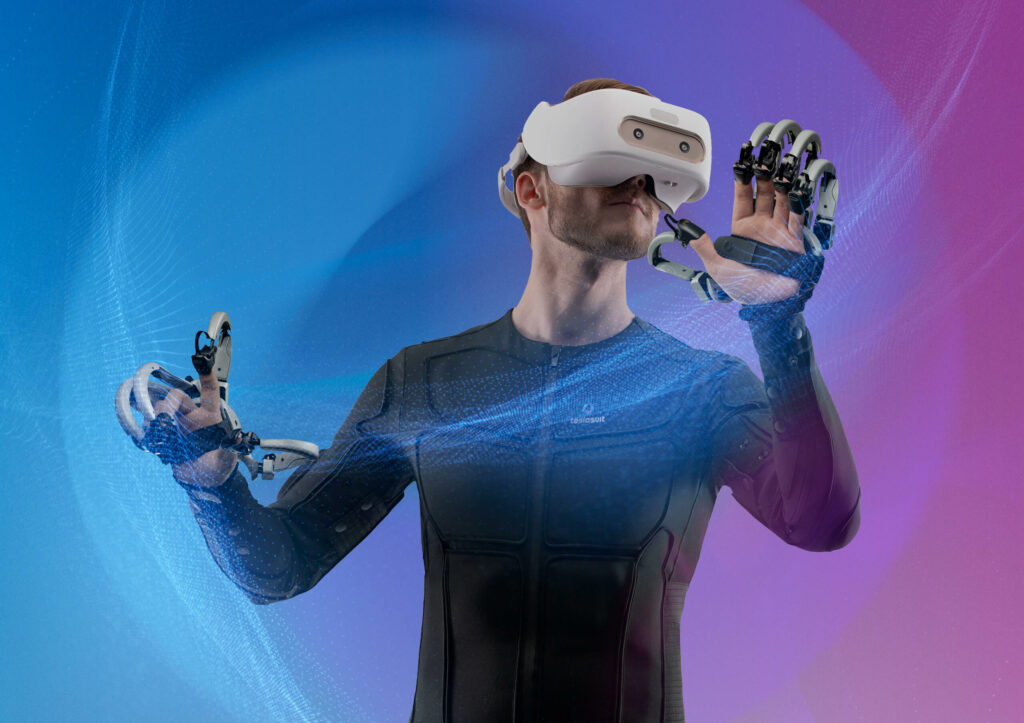
Unlock True VR Immersion: How Haptic Suits Transform Digital Worlds
Virtual reality (VR) has come a long way, offering breathtaking visuals and spatial audio that transport us to new dimensions. Yet, for all its visual splendor, a crucial element often remains missing: the sense of touch. Imagine feeling the gentle brush of wind, the impact of a digital bullet, or the texture of an alien surface – this is the promise delivered by a revolutionary technology known as the haptic feedback bodysuit. These advanced wearable devices are not just accessories; they are the gateway to unlocking genuine, full-body immersion, blurring the lines between the digital and physical realms and fundamentally changing how we interact with virtual environments.The Core of Immersion: How a Haptic Feedback Bodysuit Works
At its heart, a haptic feedback bodysuit, sometimes referred to as a VR suit, tactile suit, or even a gaming suit, is a sophisticated garment designed to provide sensations directly to your body. Its primary function is to translate digital events into physical feelings, allowing users to experience a sense of touch within VR/AR applications. The magic largely happens through a technology called electro muscle stimulation (EMS). Embedded throughout the suit are electrodes and actuators that deliver controlled electrical impulses to specific muscle groups or provide localized vibrations. These impulses can simulate a vast array of sensations:- Impacts: From a soft tap to a powerful jolt, mimicking collisions, punches, or weapon recoil.
- Environmental Effects: The feeling of rain droplets, wind gusts, or even the warmth of a nearby fire.
- Textures: Conveying the rough surface of a rock or the smooth glide of water.
- Positional Cues: Guiding a user through a virtual space with subtle nudges.
Beyond Touch: The Multifaceted Power of Advanced Haptic Suits
While haptic feedback is the star of the show, leading haptic feedback bodysuits integrate multiple high-level systems that synergistically elevate the immersive experience and provide profound insights into human behavior. These systems transform a simple "feeling suit" into a comprehensive solution for interaction, analysis, and performance enhancement. To delve deeper into the components of these remarkable devices, you might find What is a Haptic VR Suit? Unveiling Full-Body Tactile Immersion to be an enlightening read.The three core pillars working in unison are:
- Motion Capture System: This sophisticated component records and tracks the user's body position and movements in real-time. It translates your physical actions into a digital representation, allowing your virtual avatar to mirror your every gesture, lean, and step. This creates an unparalleled sense of presence and agency within the digital world, crucial for realistic interaction in training simulations or collaborative VR environments. If your avatar moves precisely as you do, the digital space truly becomes an extension of your physical self.
- Biometry System: Going beyond external movements, advanced haptic suits can monitor a multitude of vital data signals. This includes crucial metrics like heart rate, perspiration levels, skin temperature, and other stress indicators. This biometric data enables advanced health and performance analysis, providing invaluable insights into a user's physiological and emotional state during an immersive experience. For instance, in high-stress training scenarios, monitoring these indicators can reveal how effectively a trainee is coping under pressure, guiding instructors to optimize their methods.
- Haptic Feedback System: As discussed, this provides realistic sensations and a sense of touch using EMS technology. When combined with motion capture and biometrics, the feedback can be dynamically adjusted based on the user's physical and emotional state, creating an incredibly adaptive and personalized immersion.
Revolutionizing Industries: Where Haptic Suits Make a Real Impact
The applications of a haptic feedback bodysuit extend across a vast spectrum of industries, transforming how we train, learn, play, and even save lives. These suits are providing the foundation for new types of learning and entertainment environments that were previously impossible.Let's explore some key areas:
Training and Education
One of the most impactful applications of haptic suits is in professional training, particularly for scenarios that are inherently dangerous, complex, or expensive in the real world. Industries such as aerospace, automotive, medical, defense, and sporting are leveraging this technology.- Safe Simulation: Pilots can feel the vibrations of an engine malfunction, surgeons can practice delicate procedures with tactile resistance, and soldiers can experience combat scenarios without any real risk. This allows individuals to develop muscle memory and decision-making skills in a safe, controlled environment.
- Enhanced Realism: Traditional simulations often lack the emotional and physical jeopardy necessary to truly push individuals. Haptic feedback introduces that critical sense of realism, allowing trainees to "feel" the consequences of their actions, leading to more effective learning outcomes.
- Cost-Effectiveness: While the initial investment in a haptic feedback bodysuit might seem significant, it pales in comparison to the costs and risks associated with real-world training involving expensive equipment or hazardous environments.
Entertainment and Gaming
- Unprecedented Gaming Experiences: Game developers, armed with open API/SDKs and plugins for engines like Unity and Unreal, are creating world-first experiences. Whether it's esports, TV & Film, or immersive gaming, haptic suits deliver a new dimension of interaction. Every hit, every environmental detail, and every character interaction can now be physically felt, elevating immersion to thrilling new levels.
- Accessibility and Customization: Some companies, like TrueGear, aim to bring the haptic suit to every VR player, making high-level immersion accessible. Furthermore, with ready-to-go kits and open-source codebases, enthusiasts can even integrate haptic feedback into their favorite existing games, crafting unique, never-before-seen experiences. If you're a gamer, look for titles that explicitly support haptic suits or join community forums where players share mods and integrations.
Medical and Research
Beyond training and play, the comprehensive data collected by advanced haptic suits makes them invaluable tools in medical and research fields.- Rehabilitation: Haptic feedback can assist in physical therapy, providing tactile cues for motor skill development or simulating environments for exposure therapy. Biometric data, in this context, offers critical insights into a patient's progress and stress levels during therapeutic exercises.
- Behavioral Science: Researchers can conduct studies on human perception, reaction times, and stress responses in controlled, yet highly realistic, virtual scenarios. The ability to precisely control stimuli and gather both physical and physiological data makes these suits revolutionary for understanding human behavior.
Choosing Your Haptic Journey: What to Look For
As the market for haptic feedback bodysuit technology expands, discerning buyers will want to consider several factors to ensure they choose the right device for their needs:- Compatibility: Ensure the suit is compatible with your existing VR headset and platform (e.g., Quest 3, SteamVR, PC VR). Different suits may support different ecosystems, so verify this upfront.
- Feedback Fidelity and Coverage: Evaluate the precision and range of sensations offered. Does it provide full-body feedback or is it limited to a vest? The more granular the control over haptics and the wider the coverage, the more immersive the experience.
- Comfort and Ergonomics: Immersive sessions can last for hours. The suit should be lightweight, breathable, and designed for extended wear without causing discomfort or restricting movement.
- Software Ecosystem and Support: Investigate the availability of SDKs, plugins for popular game engines (Unity, Unreal), and the breadth of supported games or applications. An active developer community and robust support can significantly enhance your experience.
- Additional Features: If your use case extends beyond basic gaming, consider suits that offer integrated motion capture and biometric tracking. These features significantly increase the versatility and analytical capabilities of the suit.
- Price and Accessibility: While cutting-edge technology comes at a premium, some brands are committed to making haptic suits more accessible to a wider audience. Balance features with your budget and intended use.